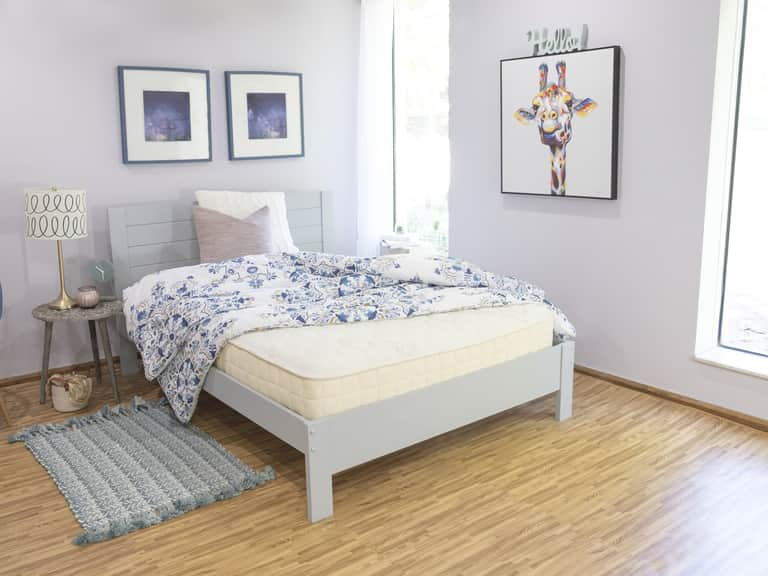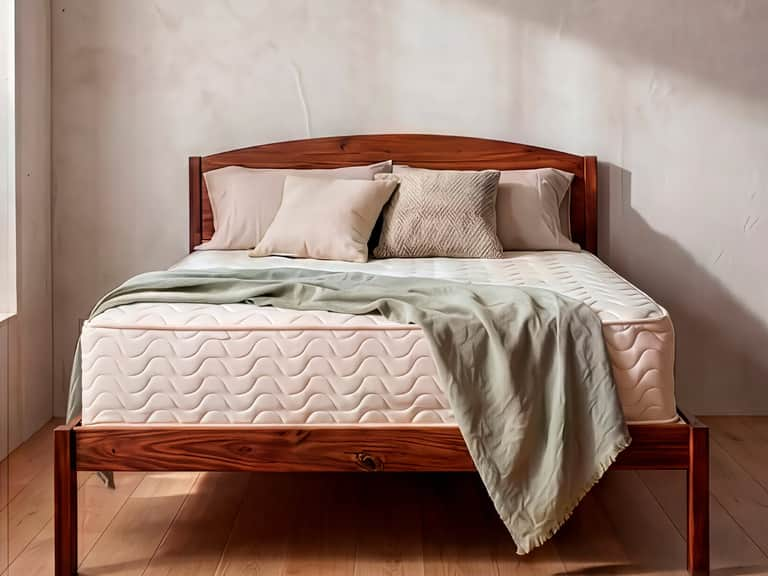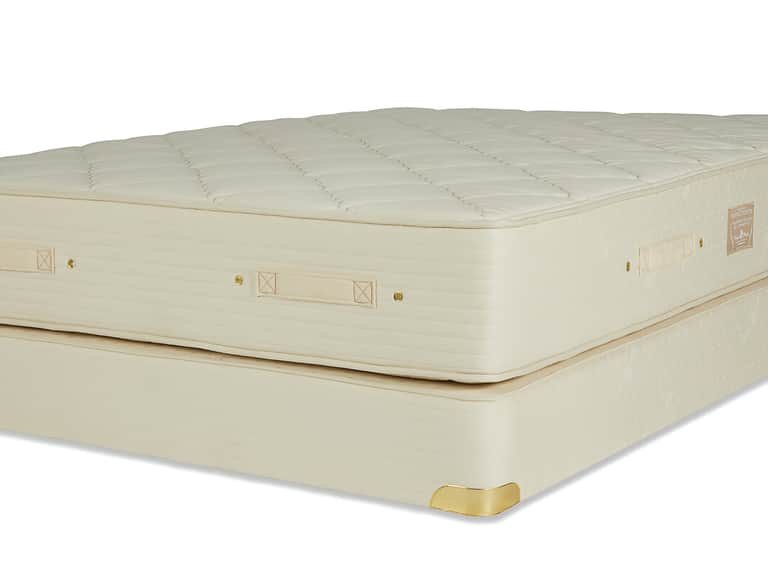
Royal-Pedic Natural Latex Quilt-top Mattress with German Stretch Knit ticking

How to Evaluate Organic Certifications in UK Mattresses: A Practical Buyer’s Guide

In a market crowded with labels and certifications, UK shoppers deserve a compass that cuts through the noise. This guide decodes the common organic and sustainability labels found on mattresses, explains what each certification truly verifies, and provides a practical framework for verification before you make a purchase.

Key certifications and what they mean

When you read a mattress label, certifications are promises about materials, processing, and safety. The most common certifications you’ll encounter in the UK and Europe include GOTS, GOLS, OEKO-TEX, and regional or product-specific marks. Each serves a different purpose and level of scrutiny.

  • GOTS (Global Organic Textile Standard): The gold standard for organic textiles, including cotton and wool. GOTS covers both the organic status of the raw materials and the social and environmental criteria of the processing and manufacturing stages. For mattresses, a GOTS-certified fabric cover or components indicate organic cotton or wool at the textile level, with rigorous restrictions on toxic dyes, processing chemicals, and bleaches.
  • GOLS (Global Organic Latex Standard): Focused on latex, GOLS certifies the organic content of latex from the farm to the finished mattress layer. It assures that the latex is produced using organic farming practices and that the manufacturing process maintains organic integrity.
  • OEKO-TEX: A multi-tier certification that tests for harmful substances in textiles. OEKO-TEX Standard 100, for example, certifies that textiles are free from a baseline set of harmful chemicals at the testing stage. OEKO-TEX also includes higher tiers (e.g., STeP for sustainability management). A mattress with OEKO-TEX labeling provides a safety assurance regarding chemical exposure in the textile component.
  • UK-specific and regional labels: In the UK, retailers may reference certifications that align with European standards or UK-approved label schemes. While some brands cross-map to GOTS or OEKO-TEX, others may emphasize lifecycle assessments, recycled content, or local sourcing disclosures. Look for explicit statements about where dyes, fabrics, and components are produced, and whether any materials are sourced regionally.

Materials and their relationship to certifications

Certifications sit atop a foundation of materials—cotton, wool, latex, and steel (in springs). A mattress labeled as organic or certified organic often references these materials, but the strength of the claim depends on what’s certified and how.

  • Cotton: Organic cotton notes in GOTS or other organic textile certifications indicate reduced pesticides and chemical usage during farming. The textile processing stage remains critical—dyes and finishing chemicals can affect indoor air quality and skin contact even if the fiber itself is organic.
  • Wool: Organic wool certifications (often paired with GOTS for the textile shell) verify that sheep were raised under humane and low-toxin conditions, with wool processed without harsh chemical treatments wherever possible. Wool’s natural humidity management can contribute to thermal comfort.
  • Latex: Latex certification (GOLS) assures that the latex core is produced from organic rubber and processed without excessive chemical additives. Look for Dunlop or Talalay processes and whether the latex is synthetic-free. Organic latex can improve breathability and resilience but may carry different feel characteristics depending on the core composition.
  • Metal springs: While metal components are not typically “organic,” many labels emphasize overall sustainability and the absence of harmful coatings on springs. Check for plant-based or low-VOC finishes on non-textile parts where relevant.

How to verify certifications on product pages

  1. Read the exact wording: “GOTS-certified textiles” versus “GOTS-certified mattress” signals where the organic claim applies. A product might have GOTS fabric but not the entire mattress, or vice versa.
  2. Look for certification bodies and certificate numbers: Reputable brands will provide the name of the certifying body (e.g., Ecocert, ICEA, Textile Exchange) and a certificate/lot number you can verify with the certifier’s website.
  3. Check scope and validity: Certifications have scopes, expiry dates, and surveillance audits. Confirm that the certification covers the whole product or only specific layers (cover, padding, or inner core).
  4. Seek transparency on supply chains: Certifications are strongest when they trace the supply chain from raw material to finished product. Claims like “GOTS-approved supply chain” or “GOLS-certified latex” carry more weight than general “organic mattress” phrasing.
  5. Cross-reference with independent sources: Independent product databases, NGO reports, and industry analyses can help validate claims or reveal gaps in disclosure.

A practical comparison framework for certifications, materials, and lifecycle impact

Beyond the label, consider how the mattress performs in daily life and its broader environmental footprint. A useful framework asks: What is certified, where do the materials come from, how transparent is the retailer, and what does the lifecycle look like from production to disposal?

  • Scope of certification: Is the entire mattress certified, or only fabric/foam layers? A full-mattress certification offers stronger assurances about the product as a whole.
  • Material provenance: Does the label indicate origin countries, farms, or mills? Where are the cotton, wool, and latex sourced?
  • Processing and finishing: Are dyes, glues, or flame retardants evaluated under the certification? OEKO-TEX can indicate chemical safety, but it does not certify organic farming of raw materials.
  • Lifecycle impact: Does the brand show lifecycle analyses, recyclability, or end-of-life programs? Are sustainable manufacturing practices in place, such as reduced water usage or renewable energy?
  • Transparency: Can you access certificates online, or do you need to request them from a retailer? Publicly verifiable certificates strengthen trust.

Free downloadable checklist

Use this concise checklist to assess whether an organic mattress truly qualifies as organic before you buy. Print it, or save it as a reference on your phone when browsing UK retailers.

  • Certification(s) claimed on product page and packaging are listed with certifying body and certificate numbers.
  • The textile components (cover, padding) show compliant certifications (GOTS, GOLS, OEKO-TEX) where applicable.
  • Material sourcing is disclosed (country of origin, mills, farms) for cotton, wool, and latex.
  • Any chemical finishes, flame retardants, or adhesives are clearly disclosed and minimal or aligned with certification scope.
  • Lifecycle considerations are provided: recyclability, repairability, and end-of-life options.

Three key individuals across time periods who influenced organic sleep culture

Names that resonate with the ethos of careful materials, ethical sourcing, and the slow, deliberate study of comfort and health. From early textile pioneers to modern sleep researchers, these figures illustrate a continuum of care for the bedding we inhabit nightly.

  • Orchard Reed (late 19th – early 20th century): A fictional nod to the era when textile mills refined natural fibers and organic agriculture began foregrounding non-toxic farming practices. Reed represents the early insistence on clean materials, long before modern certifications, as a cultural push toward healthier fabrics in the home.
  • Dr. Helen K. Hartman (mid-20th century): A physician-sleep researcher whose work emphasized the link between sleep quality and environmental factors within the bedroom. Hartman’s inquiries—though historical in framing—parallel today’s emphasis on reducing indoor pollutants and fostering comfort through natural materials.
  • Professor Arun Mehta (early 21st century): A materials scientist who studied the lifecycle impact of synthetic versus natural bedding. Mehta’s investigations into sustainable textiles and certification pathways map onto current UK-focused dialogues around GOTS, GOLS, and OEKO-TEX, underscoring how standards shape consumer decisions.

Three contemporary voices shaping the UK organic-mattress discourse

Modern voices bring data, policy, and design thinking to the fore, translating centuries of textile craft into transparent consumer choices.

  • Lila Green: An independent sleep-health advocate who curates evidence-based guides on environmental health in the bedroom and champions clear labeling and consumer education in the UK market.
  • Jonah Carter: A sustainability analyst who conducts lifecycle assessments of bedding materials, comparing organic cotton, wool, and latex to conventional options and highlighting the role of certifications in reducing toxins.
  • Dr. Sophia Reed: A sleep-science researcher focused on how room climate, bedding materials, and product freshness influence sleep architecture and daytime well-being, with a particular emphasis on hypoallergenic and non-toxic environments.

A case study: a notable organic mattress in the field

Among the diverse offerings described in contemporary catalogs, one product stands out for illustrating how organic materials, certifications, and craftsmanship converge in a single mattress. The Royal-Pedic Natural Latex Quilt-top Mattress with German Stretch Knit ticking embodies a handcrafted tradition that many UK shoppers associate with the finest quality. Its interior latex core, wrapped in chemical-free wool and French cotton, offers a vivid example of a non-toxic, highly breathable, and durable construction that aligns with the principles discussed in this guide.

The Royal-Pedic bed exemplifies “organic” as a holistic concept: organic core materials, natural flame barriers, and finishing fabrics that embrace high textile standards. While this mattress originates from a U.S. producer, its ethic mirrors the UK buyer’s aim: find a product where organic integrity, material performance, and long-lasting comfort cohere. For UK shoppers, such a product provides a benchmark for understanding how certifications, materials, and build quality translate into real-world sleep benefits.

Material snapshot: Natural Dunlop latex core, premium cotton stretch knit ticking, chemical-free French wool, and a resilient support system. The combination aims to balance contouring comfort with durable, toxin-free construction.

Certification angle: While the product’s explicit UK certifications are not listed in this overview, the materials and process align with standard organic and natural-bedding expectations. A UK shopper should verify GOTS/GOLS equivalents for textiles and the absence of toxic additives via the certifying bodies or direct retailer disclosures.

In discussing this case study, the essential point remains: a mattress that foregrounds organic materials, transparent sourcing, and careful processing provides a meaningful baseline for evaluating other products in the UK market. The CSR narrative—ethically sourced wool, non-toxic finishes, and durable construction—translates into a sleep experience that respects both body and environment.


Related product example:
Royal-Pedic deep-dive
Royal-Pedic Natural Latex Quilt-top Mattress

A luxury, hand-crafted option featuring an all-natural latex core, chemical-free wool, and premium cotton. Demonstrates how organic content can be integrated into high-end sleep systems.

Note: Availability and certification specifics should be verified on the retailer’s page.

For UK readers, this example underscores the importance of verifying both the material claims and the certification statements. When a product highlights organic materials but omits clear certification details, it’s prudent to probe further—request certificates, check supplier disclosures, and compare against a framework like the one outlined in this article.

Final thoughts: a resilient approach to organic mattress shopping in the UK

As the consumer landscape shifts toward sustainability and transparency, certification becomes more than a badge—it becomes a practical tool for everyday decisions. The UK market deserves a buyer’s approach that merges rigor with accessibility, enabling shoppers to compare apples to apples across brands, fiber content, processing ethics, and ecological footprints.

What does a robust certification strategy look like in practice? It begins with a careful reading of the labels, a cross-check against certifying bodies, and a mindful appraisal of the materials themselves. It continues with a demand for ingredient-level disclosures and a preference for products that trace their supply chains with clarity. And it ends with a personal commitment: to sleep on a surface that supports health, comfort, and a cleaner environment for the long night ahead.

If you’d like, we can build a complete site map, a 6–8 page core structure, and a content calendar tailored to Direction B—UK-focused buyer’s guides and wellness resources—so your project can grow with authority and trust in this evolving field.

Further reading and next steps

If you’re ready to dive deeper, start with the core certifications and verification steps outlined above. Then explore UK-specific sources and retailer disclosures. Building confidence in organic mattress choices takes time, but with a clear framework, you’ll navigate this market with discernment and ease.

Would you like me to draft a site map, a six- to eight-page architecture, and an editorial calendar tailored to Direction B? I can tailor content pillars, landing page concepts, and a seasonal publishing cadence aligned with UK market cycles.


Note: The product example above uses the Royal-Pedic model for illustrative purposes. Availability and specifics may vary in the UK market. Always verify certifications and material disclosures with the retailer or manufacturer.

Related Products

Naturepedic Verse Organic Cotton Kids Mattress

Naturepedic · No. NVOCM

Naturepedic Verse Organic Cotton Kids Mattress

Experience comfy, breathable nights with the Verse: organic cotton, encased coils for support, excellent airflow, no flame retardants or toxins, easy shipping, and durable, chemical-free sleep for kids and teens.
Latex & Comfort Coil Mattress

Sachi Organics

Latex & Comfort Coil Mattress

Handcrafted to order for breathable, natural comfort: plush latex meets responsive coils, with organic cotton and Eco-Wool. It supports, promotes airflow, and creates a clean, durable sleeping surface with lasting, pressure-relieving comfort.

Theme