Wool is a natural fibre used in bedding for its breathable, resilient structure and ability to help manage moisture. Its crimped fibres trap insulating air while allowing heat and humidity to move away from the body, which can support a more comfortable sleep environment across changing room temperatures.
In bedding, wool may be used as pillow filling or as a layer within mattresses and mattress toppers. Its springy texture helps provide cushioning and recover its shape after compression. Wool’s moisture-handling properties can also help bedding feel less clammy, although comfort depends on the construction and materials of each product.
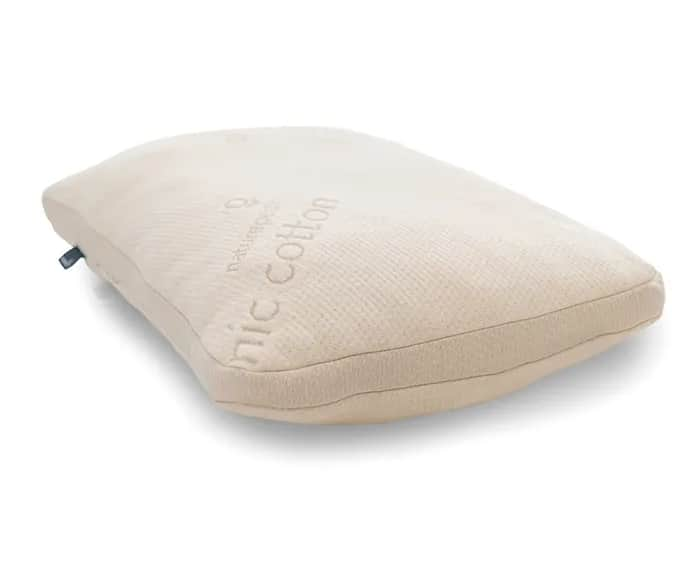
The Naturepedic Organic Wool Pillow uses wool as its filling, offering soft, resilient support for the head and neck. Wool’s breathable character and capacity to manage moisture are relevant features for people comparing pillows and other bedding materials. Product specifications, including the outer fabric and care instructions, should guide individual suitability.
Wool pillows serve a different purpose from sheets, which form a washable layer against the skin, and from organic mattresses, which provide full-body support. Organic crib mattresses are designed for infant sleep spaces and require careful attention to fit and safety guidance; a wool pillow is not a substitute for an infant’s firm, flat sleep surface.
When assessing wool bedding, consider fill composition, cover materials, loft, firmness, and cleaning requirements. Wool can offer natural insulation without feeling uniformly heavy, while its resilience may help a pillow retain usable shape. These characteristics make wool a useful material to compare alongside cotton and other fibres in pillows and mattresses.
 Bedding